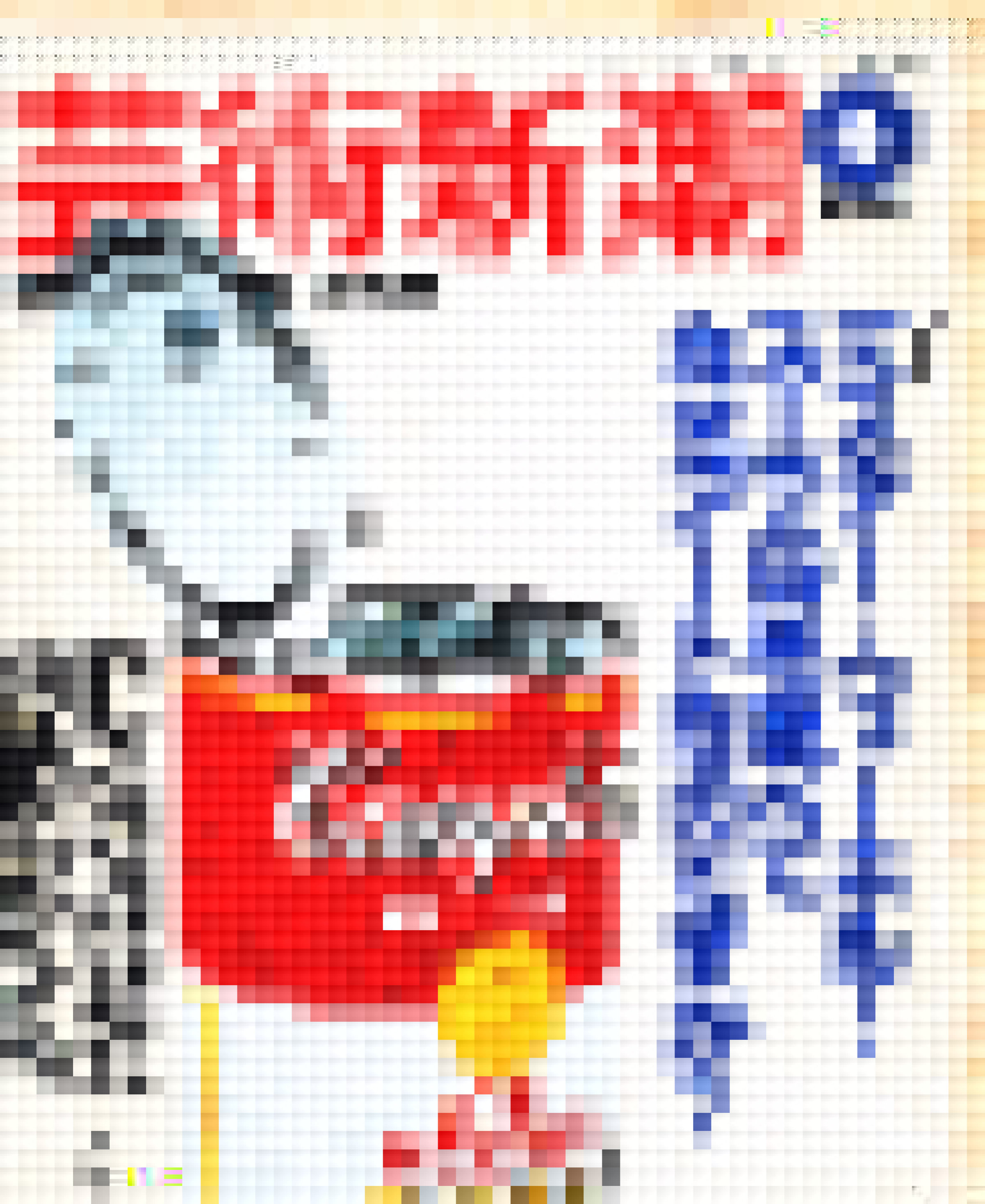
A Magazine, Thirty Years On
There aren’t many occasions when you get to feel the length of thirty years. Go back a year or so and memory still holds—I can retrace it, think back then, and feel it. But thirty years is beyond the reach of that feeling. Every so often, though, those thirty years come unexpectedly close. Recently I rebought a magazine from thirty years ago, a copy I’d bought as a student.
It’s an issue of Geijutsu Shincho, published in 1996. Founded in Japan in 1950, the magazine consists largely of coverage of art movements abroad and of art criticism, and it is still in print here in 2026. The copy I once had was no longer on my shelf, but for some reason I suddenly wanted to read it again. The issue features pop art, centered on Andy Warhol, with other related artists introduced alongside him.
Thirty years ago means it came out when I was twenty. I came across the magazine by chance in a bookshop, saw the Campbell’s soup can on the cover for the first time, and bought it because something about it drew me in. As a student with no real connection to art, I felt pulled by the thought that this, too, belongs to the world of expression—a feeling I still remember.
Taking an interest in an old magazine again probably means I want to compare what I felt back then with what I feel now. I need that old issue as a measure for how my perspective and my senses have shifted over thirty years.
Nothing on those pages has changed. The same soup can on the cover, the same articles, the same plates. The only thing that has changed is the person reading them. Facing the same object, the twenty-year-old me and the me of today are bound to feel entirely different things. The old magazine will work like a mirror, showing me how far I’ve moved.
At twenty, knowing nothing, I was simply drawn in. Opening the same pages now, will my heart move the way it did? Or will I feel something else altogether? A mirror only shows you who you are now.
It arrived yesterday evening. I plan to read it today. I’m looking forward to seeing what it reflects.