DESKTOP
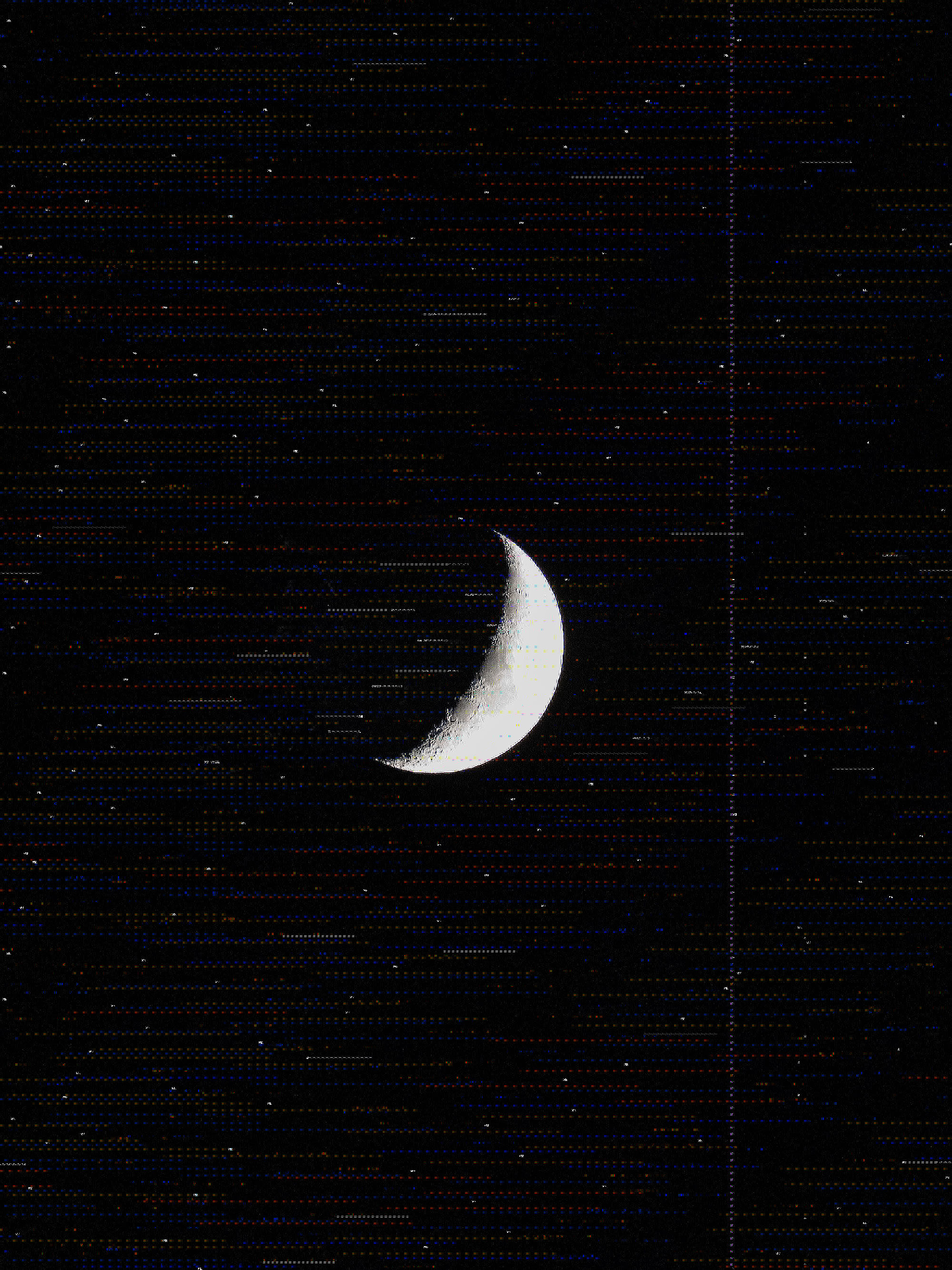
It’s an everyday thing, really. The sun and the moon look about the same size. I see them that way every day, so I never thought to question it. Even a solar eclipse happens because the two line up in the sky, exactly overlapping.
But the truth is completely different.
The sun’s diameter is about 1.39 million km; the moon’s is about 3,474 km. The sun is 400 times larger. Yet the distance is also almost exactly 400 times greater. The sun is about 150 million km away, the moon about 380,000 km. The ratio of their sizes, and the ratio of their distances. Those two happen to match, and so, in the sky, they look the same size.
So “looking the same” is only the result of conditions that happened to line up. It isn’t that they are actually the same size. It’s just how they appear, from where we happen to stand.
And this balance isn’t permanent. The moon drifts about 3.8 cm (roughly 1.5 inches) farther from Earth every year. Someday, a solar eclipse will no longer be visible from Earth at all.
Measuring that 3.8 cm takes mirrors. In 1969, the Apollo 11 astronauts set the first reflector on the moon’s surface. Apollo 14 and 15 added more. From observatories on Earth, a laser is fired, and the mirror sends the light back. Since the speed of light is known, measuring the round-trip time gives the distance between Earth and the moon. This observation, called Lunar Laser Ranging, has continued for more than half a century.
Just as the sun and the moon looking the same size is a convenience of being human, of standing on Earth, what we look at and what we make always carry something of our own. Whatever you make, something of yourself is left in it.
What if you could erase that self, as far as possible? Someone thought exactly that.
When Marcel Duchamp made his readymades, he was trying — as a revolt against retinal art — to erase his own taste and preference. He chose ordinary, unremarkable everyday objects, and tried to strip away even the practical function they were made for. He picked them, he said, from a point of indifference, drawn to neither their beauty nor their ugliness.
But looking through his collected works, I can’t help seeing him still there. What was a matter of indifference to him isn’t necessarily so to anyone else. What a person is able to remain indifferent toward is itself decided by that person’s own position. In those choices he made to erase himself, something of him surfaces after all. And maybe that is exactly where his work, and his appeal, lie.
The same is true of the photographs I take, and the images I make. They aren’t pure records of the world; they are only how it looked to me, from where I stood, in that moment. Something of my own is always underneath them. Lately I’ve been taking photographic data of the streets of Tokyo and working it on the computer. I shoot in the street. But for me, the act of seeing happens more in what comes after. Photographing matters too, of course — but sitting with the data in front of the screen, and working it. That is where my point of observation is shifting now.